¡LAMENTABLE TRAGEDIA! La Desgarradora Historia Detrás De La Imagen Que Paralizó A Las Redes Sociales
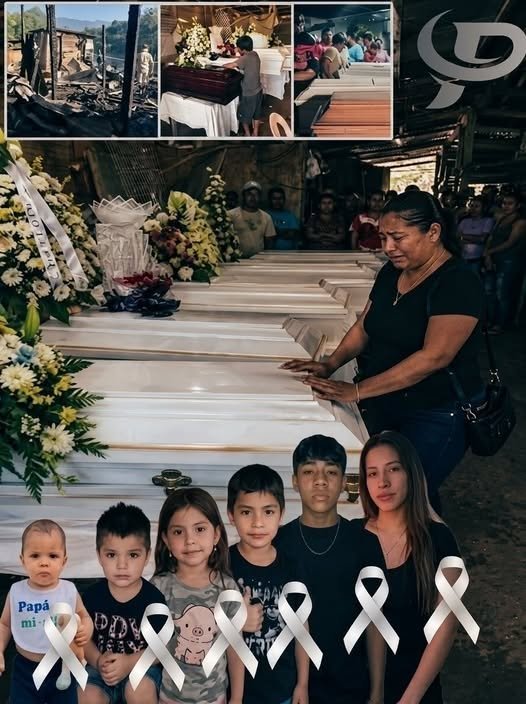
A deeply moving collage of photographs depicting a devastating community tragedy, multiple coffins lined up during a solemn funeral service, a grieving mother, and individual portraits of children adorned with white mourning ribbons has generated widespread grief and solidarity across global online communities.
The collage highlights the sheer scale of loss experienced by a family and local community following a catastrophic fire incident, bringing attention to rural infrastructure vulnerabilities, emergency response challenges, and the profound human impact of sudden disasters.
The Anatomy of a Devastating Household Fire Tragedy
Residential fire disasters in vulnerable or low-income rural communities represent some of the most heartbreaking events faced by local populations. Frequently caused by faulty wiring, unsafe heating arrangements, or structural vulnerabilities, these fires spread with terrifying speed through lightweight wooden structures.
In many rural regions around the world, fire department response times are prolonged due to geographical isolation, poor road conditions, or limited municipal infrastructure. Consequently, local residents often find themselves battling intense blazes with minimal resources before professional emergency teams can arrive on scene.
Key factors contributing to severe structural fire risks in vulnerable housing include:
- Combustible Building Materials: Extensive use of timber, plastic sheeting, and untreated roofing materials accelerates flame propagation.
- Electrical and Heating Hazards: Unregulated electrical installations or open flames used for indoor heating significantly increase accidental fire risks.
- Delayed Emergency Response: Distance from central fire stations and lack of localized water hydrants limit immediate suppression efforts.
The Human Element and Immediate Community Response
When disaster strikes, the immediate burden of grief and logistical recovery falls heavily on surviving family members and immediate neighbors. Funeral services in rural communities often transform into collective mourning events where entire villages gather to offer emotional support, contribute financial resources, and assist with funeral preparations.
The visual image of multiple white caskets arranged side-by-side inside a modest community hall conveys a staggering sense of loss that transcends language and cultural barriers. For grieving relatives, public wakes serve as crucial spaces for shared grief and collective healing.
The Role of Social Media in Global Humanitarian Solidarity
In the modern digital era, photographs of local tragedies rapidly reach international audiences through social media sharing. While traditional news outlets provide structured reporting, social media platforms allow direct human empathy to flow across borders.
Viral awareness often leads to community-driven fundraising campaigns, emergency aid drives, and policy discussions concerning fire safety standards in low-income housing. However, digital experts emphasize the importance of responsible sharing to respect the dignity and privacy of grieving families.
Recommended guidelines for engaging with tragedy-related digital content include:
- Verifying Sources: Ensuring news details are confirmed by official local authorities or reputable journalists before sharing widely.
- Respecting Family Privacy: Avoiding insensitive commentary or speculative statements regarding victim details.
- Supporting Recognized Relief Funds: Directing financial aid exclusively through verified non-profit organizations or official community funds.
Structural Prevention and Policy Reform Needs
Addressing the root causes of residential fire hazards requires sustained policy intervention, infrastructure investment, and community education. Municipal leaders and housing advocacy groups continually push for improved building regulations and accessible safety equipment.
Implementing basic fire safety measures—such as smoke detector installation programs, community water access points, and accessible fire safety education—can drastically reduce the frequency and severity of residential fire incidents in high-risk zones.
Community Resilience in the Wake of Severe Loss
Despite the immense sorrow depicted in the image, the unity displayed by neighbors and community members highlights the profound strength of human solidarity during crisis. Rebuilding lives following catastrophic loss requires long-term psychological support, housing assistance, and sustained community care.
As discussions surrounding the tragic incident continue online, the image serves as a solemn reminder of the fragility of life and the vital importance of protecting vulnerable families from preventable residential disasters.
Psychological Support and Grief Counseling in Rural Disaster Recovery
The emotional aftermath of a multi-fatality tragedy extends far beyond the immediate physical damage. For surviving family members, neighbors, and first responders, the psychological trauma of witnessing or enduring a sudden loss can lead to long-term mental health challenges, including post-traumatic stress, severe anxiety, and persistent depression.
In many rural or economically disadvantaged regions, formal mental health services and professional grief counselors are severely limited. Community organizations, religious institutions, and local volunteer networks frequently step in to provide immediate emotional comfort and peer-to-peer support.
Mental health experts emphasize that structured, culturally sensitive grief counseling is essential for long-term recovery. Establishing community-based support groups, providing psychological first aid, and training local health workers to recognize trauma symptoms are vital steps in helping impacted populations process overwhelming grief.
Housing Security, Urban Planning, and Vulnerable Infrastructure
The structural vulnerability of low-income housing is an ongoing challenge facing urban planners and disaster management authorities worldwide. Informal settlements, rural homesteads, and rapidly constructed housing units often lack adherence to modern safety codes, firebreaks, or accessible emergency exit routes.
Urban planners advocate for comprehensive housing reform policies that prioritize fire-resistant building materials, safe electrical grid connections, and urban zoning regulations designed to prevent rapid flame spread between closely situated homes.
Furthermore, municipal investments in local infrastructure—such as widening narrow access roads to accommodate fire trucks and installing decentralized water storage tanks—play a crucial role in enabling rapid emergency response times during high-risk fire conditions.
The Importance of Early Fire Detection and Public Education
Education remains one of the most cost-effective tools for preventing residential fire tragedies. Comprehensive public safety campaigns that teach family members how to identify electrical hazards, properly extinguish small kitchen fires, and establish household evacuation plans significantly improve survival rates.
Public health and safety organizations frequently distribute low-cost, battery-operated smoke alarms to homes in vulnerable communities. Early warning systems provide occupants with critical seconds needed to evacuate burning structures before toxic smoke and intense heat trap individuals inside.
School-based fire safety curricula also empower children with essential knowledge regarding emergency exits, stop-drop-and-roll techniques, and emergency hotline usage, embedding safety awareness into the broader community culture.
Disaster Relief Logistics and Long-Term Rebuilding Efforts
When catastrophic fires destroy homes and claim lives, immediate disaster relief efforts focus on providing shelter, food, clean water, and medical care to survivors. However, transition from short-term relief to long-term community recovery requires organized coordination between government agencies and non-governmental organizations.
Long-term rebuilding initiatives must address sustainable housing construction, financial assistance for displaced families, and economic support for individuals who have lost their livelihoods alongside their physical property.
Sustained donor engagement and transparent resource distribution ensure that affected communities receive the continuous assistance necessary to rebuild secure, resilient homes and restore stability to their daily lives.
Ethical Considerations in Digital Media Coverage of Human Suffering
The widespread sharing of graphic or deeply emotional imagery on digital platforms raises important ethical questions regarding photojournalism and social media usage. While powerful visual media can motivate charitable giving and policy reform, it can also inadvertently infringe upon the dignity of victims.
Journalism ethics scholars argue that media outlets and digital creators must balance the public interest of reporting critical safety hazards with empathy for grieving individuals. Ensuring respectful visual presentation, obtaining consent where possible, and avoiding sensationalist narratives are essential standards for ethical reporting.
By focusing on constructive solutions, community support mechanisms, and systemic safety improvements, media coverage can honor the memory of victims while driving meaningful societal action to prevent future tragedies.
The Economic Burden of Uninsured Losses in Low-Income Communities
In many economically disadvantaged regions, households operate without formal insurance coverage, property protection policies, or financial safety nets. When a catastrophic fire destroys a home, the financial blow is absolute, wiping out lifetime savings, personal possessions, and essential family heirlooms in a matter of minutes.
This sudden economic devastation forces surviving family members to rely entirely on community generosity, emergency government grants, or informal mutual aid networks to secure temporary shelter and basic living supplies. The lack of structured insurance mechanisms prolonged the recovery process, often trapping vulnerable families in cyclical poverty for years following a single disaster.
Economists specializing in disaster recovery advocate for micro-insurance models and state-subsidized property insurance programs tailored specifically for low-income rural households. By providing affordable risk mitigation tools, governments can help vulnerable populations absorb the economic impact of sudden property loss without slipping into absolute financial hardship.
Volunteer Firefighters and First Responder Challenges in Remote Regions
In thousands of rural municipalities across the world, emergency fire suppression relies almost exclusively on volunteer fire departments. These dedicated men and women offer their time, energy, and personal safety to protect their neighbors, frequently operating with limited budgets, aging equipment, and minimal specialized training.
Volunteer crews face immense operational challenges when responding to structural fires in isolated areas. Long travel distances over unpaved roads, insufficient water tanker capacity, and unreliable communication networks frequently hinder quick suppression efforts, allowing small household fires to grow into uncontrollable blazes before heavy equipment arrives.
Strengthening volunteer emergency services through targeted state funding, modernized protective gear, advanced radio technology, and continuous technical training is essential for improving rural public safety outcomes. Investing in localized emergency responder capacity directly translates into saved lives and protected communities.
In conclusion, the heartbreaking images of this community tragedy serve as a poignant reminder of the urgent need for enhanced fire safety standards, improved rural infrastructure, and robust emergency support systems. As global audiences express solace and solidarity, the collective focus must remain on supporting displaced survivors, honoring the memory of those lost, and implementing lasting preventative solutions that safeguard vulnerable households and prevent similar catastrophes from occurring in the
Key Takeaways on Rural Fire Safety and Community Support
- Infrastructure Vulnerabilities: Rural residential fires spread rapidly due to combustible housing materials and limited localized fire suppression infrastructure.
- Community Solidarity: Local support networks and funeral gatherings play a critical role in providing immediate emotional and financial relief to grieving families.
- Preventative Measures: Expanding access to smoke detectors, fire-resistant materials, and safety education is essential for preventing future household tragedies.